
Understanding the Miami Valley (Dayton-Area) Market in 2026
Before we get into each town, here’s the 30,000-foot view of what I’m seeing across the Dayton-area market as of January 2026.
Depending on the price band and neighborhood, a lot of the Miami Valley is hovering around the mid-$200Ks for typical home values, with many areas still feeling seller-leaning (but not the chaos we’ve seen in hotter stretches). Inventory is still relatively tight in plenty of pockets, but buyers have more room to breathe than they did earlier—especially if you’re flexible on closing timeline or condition.
I’m intentionally keeping this focused on Dayton-area / Ohio numbers (not Florida), because what matters is what’s happening in Montgomery + Greene County neighborhoods—where a “good deal” might mean a well-kept ranch near the highway, not a condo near the beach.
Miamisburg: River-Town Roots, Easy I-75 Access, and a Real “Miami Valley Vibe”
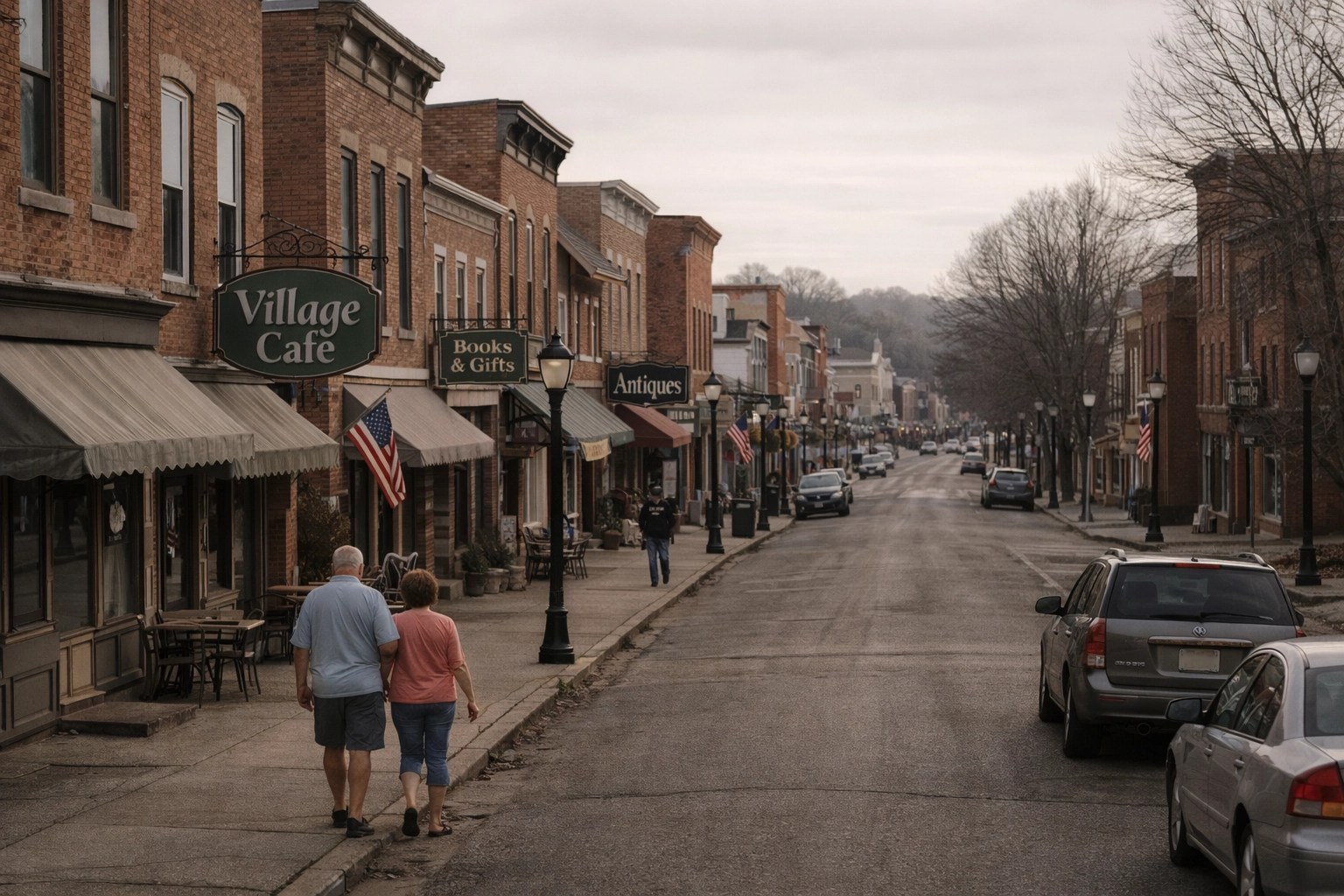
Miamisburg is home for me, so I’m biased—but I’m also realistic. It’s one of those places where you can grab coffee, hit the park, and still be on I-75 fast enough to make work in Dayton, Centerville, or even down toward Cincinnati doable.
The Market Snapshot
Miamisburg tends to hit that sweet spot for buyers who want “real neighborhood” housing stock—think brick ranches, split-levels, and the occasional older charmer—without feeling like you’re paying only for a zip code. Pricing can vary a lot block-to-block depending on updates, lot size, and how close you are to the stuff people use every day.
Who Should Consider Miamisburg?
I usually point Miamisburg out for:
- Buyers who want quick access to Dayton + the I-75 corridor
- People who like established neighborhoods (mature trees, sidewalks, parks)
- Relocating professionals who want convenience without the “new-build premium”
- Investors looking for steady, practical rental demand in Montgomery County
My Local Take
This is one of those towns where the feel matters. Two homes can be the same size on paper, but one backs up to a park path, and the other sits on a busier cut-through street—that changes value and livability in a way an online estimate won’t explain.
Xenia: Greene County Value, Room to Grow, and a Straight Shot to the Gem City
Xenia is one of those towns people sometimes overlook until they actually drive it—and then it clicks. You get a solid Greene County feel, plenty of everyday conveniences, and you’re still close enough to Dayton that commuting doesn’t become your whole personality.
The Lifestyle Factor
Xenia has a mix of “old town” character and newer pockets, so it works for a lot of different buyers. You’ll see everything from classic ranch homes to more modern subdivisions, and it’s the kind of place where you can still find value if you’re willing to be picky and move fast when the right one pops up.

School District Considerations (Especially for Relocating Families)
A lot of families ask me about schools in and around Xenia. The big thing I tell people is: don’t just look at ratings—look at where the house actually sits and confirm the school boundaries. Xenia-area buyers may be looking at Xenia Community Schools and nearby options depending on the exact neighborhood.
If you’re relocating for work and trying to line up housing + school planning at the same time, this is where having a local agent helps, because the “Xenia address” conversation can get detailed quick.
Price Point Expectations
Xenia often lands in that practical middle ground: more space than the tightest-in-town Dayton options, usually more approachable than some of the higher-priced pockets closer to the southern suburbs—while still keeping you connected to everything in the region.
Huber Heights: Easy Commutes, Solid Neighborhoods, and “Get Me Close to Wright-Patt” Energy
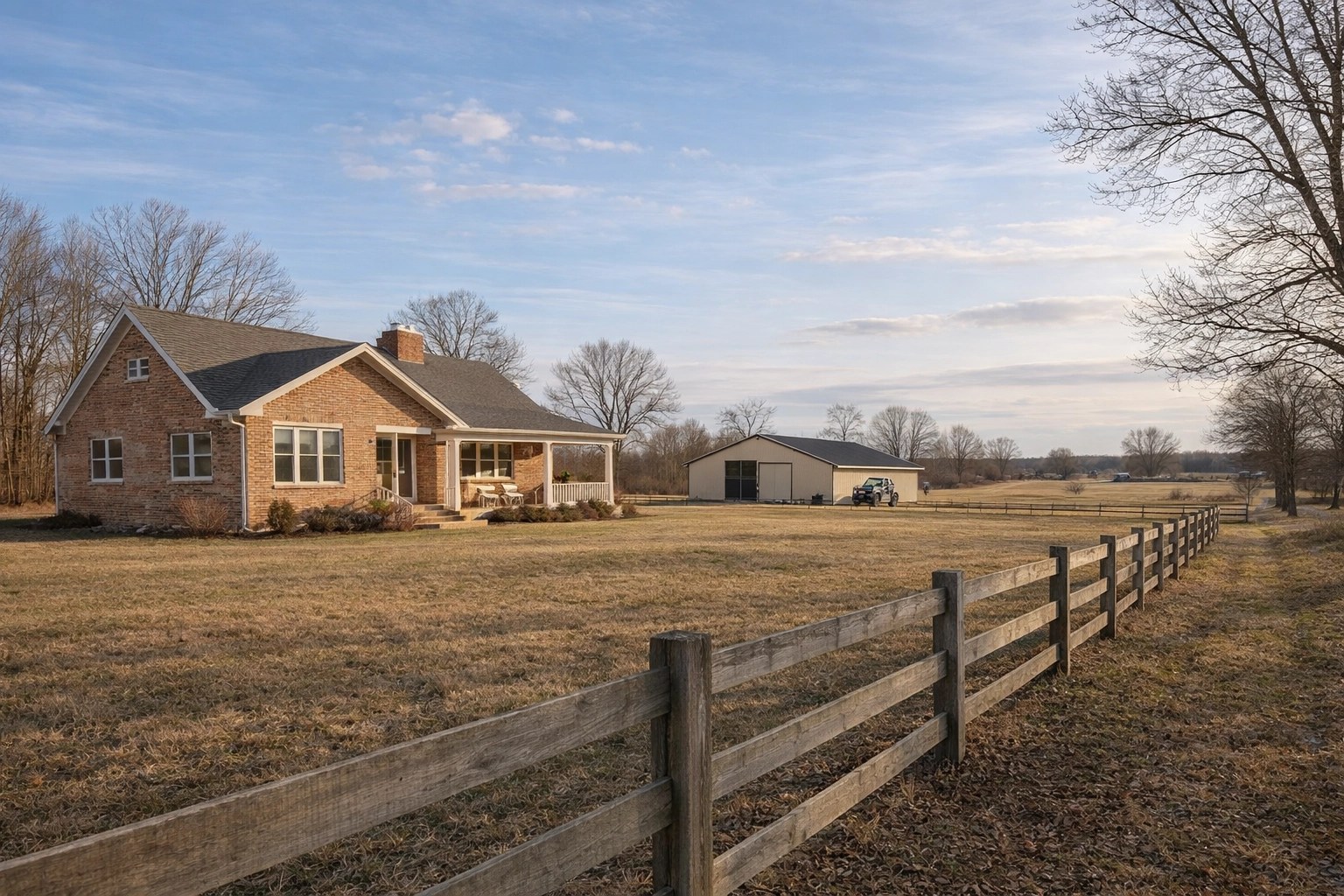
Huber Heights is a go-to for a lot of buyers who want a straightforward, convenient home base. It’s got that classic Miami Valley setup: neighborhoods you can actually drive around, houses with usable yards, and a commute that doesn’t eat your whole day—especially if you’re heading toward Wright-Patt or staying up the I-75 / I-70 routes.
The Neighborhood Factor
Huber Heights has a ton of the housing styles people ask me for most:
- Brick ranches (the Miami Valley staple)
- Split-levels and tri-levels
- Updated mid-century homes that still feel practical
- Neighborhood streets that feel established, not cookie-cutter
Investment Perspective
From an investment standpoint, Huber Heights can make a lot of sense for:
- Long-term rentals (steady demand tied to local employers)
- “Buy now, improve over time” properties (cosmetic updates can go a long way)
- Buyers who want to house-hack (live in it, upgrade it, build equity)
My Local Take
If you want “easy mode” logistics—shopping, commuting, and getting around the region—Huber Heights is hard to ignore. It’s not trying to be flashy, it’s just functional… and that’s exactly why people stay.
Comparing Your Options: Which Community Fits?
Let’s get practical. Here’s how Miamisburg, Xenia, and Huber Heights usually stack up when I’m helping clients narrow it down:
Affordability Rankings: This shifts with inventory, but in general, you can often find strong “bang for your buck” in Huber Heights and parts of Xenia, while Miamisburg can swing higher depending on the specific neighborhood and updates.
Appreciation Potential: All three have solid long-term potential, but the biggest driver is often micro-location (street-by-street) and condition. That’s why I’m always pushing people to look beyond the headline stats.
Rental Income Opportunity: Huber Heights tends to be a steady play for long-term rentals. Miamisburg can be strong too, especially for tenants who want quick access to the I-75 corridor. Xenia has plenty of investor opportunity, particularly when you find a property that fits the local renter profile and doesn’t need “surprise” repairs.
Commuter Accessibility: Miamisburg is great for I-75 access up/down the region. Huber Heights is a strong choice for getting around the Dayton area quickly (and for a lot of Wright-Patt-related commutes). Xenia is a nice balance if you want Greene County living while staying connected to The Gem City.
Resale Liquidity: The best-kept homes in all three areas move. The ones that linger usually have a pricing issue, a condition issue, or a location wrinkle that an out-of-town buyer wouldn’t catch right away.
Making Your Decision: Next Steps
The Miami Valley market is always moving, and the “right” move depends on your timeline, your commute, and what you want day-to-day. Here’s what I tell people all the time: the best town isn’t the one that wins on a spreadsheet—it’s the one that fits your real life.
- If you want that I-75 corridor convenience and a true hometown feel, Miamisburg is tough to beat.
- If you want Greene County breathing room and a solid, practical place to land, Xenia deserves a real look.
- If you want straightforward commutes and established neighborhoods (with plenty of brick ranch options), Huber Heights is a strong play.
And just to keep it real: generic online estimates don’t catch the stuff that matters here—street traffic patterns, which updates buyers actually pay for in this neighborhood, and how two “similar” homes can sell totally differently across Montgomery and Greene County.
Want to tour homes in Miamisburg, Xenia, or Huber Heights—or get a local, no-fluff read on what your place could sell for in today’s Dayton-area market? Reach out and let’s talk it through. Coffee’s optional, but the conversation will feel like it.