
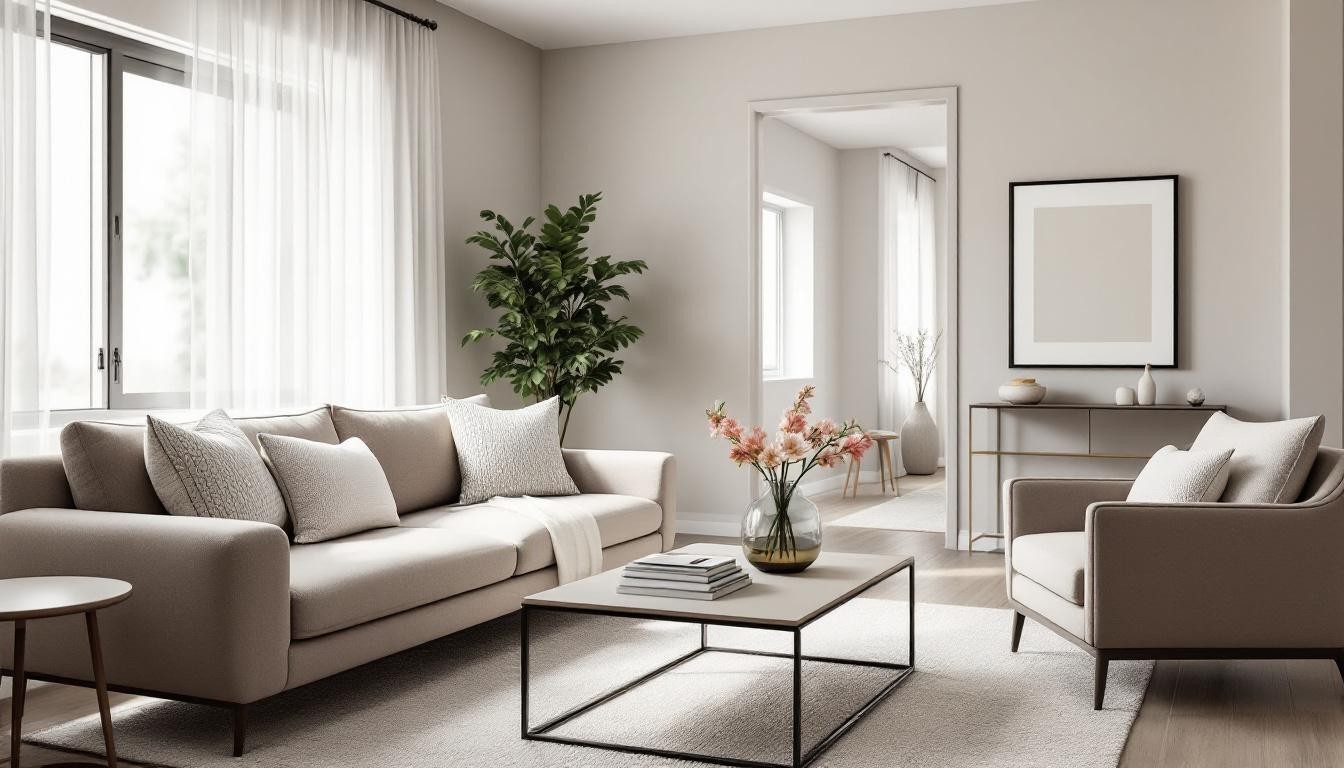
Staging homes for sale is one of the fastest ways to attract serious buyers and close deals quicker. We at Johnson Webb Realty have seen firsthand how the right staging techniques can cut days off a listing’s time on market.
The good news is that staging doesn’t require expensive renovations or professional designers. With some strategic decluttering, smart furniture arrangement, and thoughtful touches, you can transform your home into something buyers can’t resist.
Declutter and Depersonalize Your Home
Remove What Doesn’t Sell
Decluttering forms the foundation of every successful staging strategy. According to the National Association of REALTORS® 2025 Profile of Home Staging, nearly three out of 10 real estate agents reported that staging their sellers’ homes led to a 1% to 10% increase in the dollar value offered. This isn’t about making your home look sterile; it’s about removing the visual noise that prevents buyers from seeing themselves living there. Walk through each room and remove at least 30% of what you see. That overstuffed bookshelf, the stack of magazines on the coffee table, the family photos covering the hallway-these items distract buyers from your home’s actual features. Pack away personal decorations, sports trophies, and anything that screams your individual taste rather than your home’s potential. Your goal is to create a blank canvas where buyers imagine their own lives, not where they admire yours.
Clear Surfaces to Reveal Space
Kitchen and bathroom countertops should be nearly bare. Keep only three to five anchor items: a white soap pump, a small vase with fresh flowers from your yard, and perhaps a fruit bowl. Everything else goes into cabinets or storage. This single move makes rooms feel larger and more functional. The same applies to shelving throughout your home. Packed bookshelves signal limited storage to buyers; half-empty shelves signal abundance. Remove at least 40% of items from visible shelves, arrange the remaining books horizontally and vertically for visual interest, and leave breathing room. In bedrooms, nightstands should hold only a lamp and perhaps a small plant. Clear dressers completely. This approach makes your home feel spacious and move-in-ready rather than empty.
Depersonalize Without Erasing Life
Family photos present the biggest challenge. Remove 90% of them. One or two tasteful family photos work; wall clusters of children’s school photos do not. Similarly, pack away religious items, sports memorabilia, and hobby collections. Your vintage baseball card collection holds value to you but means nothing to buyers. The same principle applies to wall art. Choose one large piece instead of three framed posters and two mirrors, or leave walls bare. Dated window treatments, heavy curtains, and personalized items like monogrammed throw pillows all need to go. Replace bold wall colors with neutrals like beiges, grays, creams, blues, and greens. This strategy isn’t cold or impersonal-it’s practical. Buyers need to mentally move their own furniture into your space, hang their own art, and imagine their own routines. When your personality dominates the room, that mental exercise becomes impossible.
Prepare for the Next Stage
With surfaces cleared and personal items packed away, your home now shows its true potential. The foundation is set for the next critical step: making that first impression count. What happens outside your front door matters just as much as what happens inside.
Create Curb Appeal and First Impressions
Your home’s exterior is the first thing buyers evaluate, and research shows it matters far more than most sellers realize. According to the National Association of REALTORS® 2025 Profile of Home Staging, improving curb appeal ranks among the top three seller-improvement recommendations, right alongside decluttering and deep cleaning. The exterior sets the tone for whether a buyer even wants to step inside. A neglected front yard signals neglect throughout the home, while a clean, maintained exterior tells buyers this home has received care. Start with the fundamentals: mow the lawn weekly, edge all walkways sharply, and refresh mulch beds with dark, fresh mulch that makes landscaping pop. Remove any dead plants, trim overgrown bushes away from windows and the front entrance, and power wash the driveway and walkway if they show dirt or algae. These tasks cost little but transform how your home photographs and how it feels when a buyer pulls up. Add potted plants flanking the front door-nothing expensive, just greenery that signals life and care. A single large planter with seasonal flowers works better than scattered small pots that look cluttered.
Paint Your Front Door in Classic Colors
Your front door color matters more than you think, but most sellers get it wrong. Avoid trendy bold colors like deep teals or hot pinks unless you execute them perfectly, which rarely happens. Instead, select fresh, classic colors like soft grays, warm whites, or understated navy. Sherwin-Williams Drift of Mist and Benjamin Moore White Dove are popular choices that brighten entryways without drawing negative attention. Paint the door only if it appears faded, dinged, or dated; a fresh coat transforms the entire entry. Replace the house numbers if they look tarnished, add a modern doormat in a neutral tone, and polish all entry hardware to ensure it functions properly. Buyers notice squeaky hinges and stuck doors immediately. Tighten any loose hardware, lubricate squeaky hinges, and make sure the door opens and closes smoothly. The porch or entryway should remain completely clear of shoes, gardening tools, or seasonal clutter. This space sets expectations for what lies inside.
Address All Visible Exterior Damage
Walk your entire exterior and list every visible issue: cracked siding, missing roof shingles, broken shutters, peeling paint, rusted gutters, or cracked windows. Buyers notice these details and mentally add repair costs to their offer calculations. Visible damage must be addressed. Patch or paint peeling exterior paint, replace missing shingles, repair loose siding, and clean gutters thoroughly. If your roof shows significant wear, consider a professional cleaning to remove algae and moss. Repair or replace broken or damaged windows, and ensure exterior lighting works and looks modern. These repairs prevent buyers from assuming bigger problems lurk beneath the surface, which protects your sale price and closing timeline.
Move Inside to Complete the Picture
With your exterior polished and your interior decluttered, you’ve created the foundation for a successful sale. Now it’s time to arrange your interior spaces strategically so buyers can envision themselves living there.
Stage Interior Spaces for Maximum Impact
Remove Furniture to Reveal Room Size
Furniture placement determines whether a room feels spacious or cramped, and most sellers keep too much furniture in each space. Remove at least one major piece from every room. That extra armchair in the living room, the storage bench at the foot of the bed, the bookcase cramming the corner-these items shrink perceived square footage. Position remaining furniture to create clear pathways through each room. Buyers should walk from the entryway through the living room into the kitchen without navigating around obstacles. In the living room, arrange seating to face the focal point (fireplace, window, or television) and leave at least three feet between the sofa and coffee table so the room feels open. A large area rug anchors the seating arrangement and defines the space without making it feel smaller.
Prioritize the Rooms That Matter Most
According to the National Association of REALTORS® 2025 Profile of Home Staging, 83% of buyers’ agents said staging a home made it easier for a buyer to visualize the property as a future home. In bedrooms, position the bed against the longest wall and keep nightstands minimal. Remove dressers if they crowd the space; use closet storage instead. In the kitchen and dining areas, create sightlines that flow from one room to the next. A dining table should allow buyers to imagine hosting gatherings, not dominate the space with its size.

Layer Lighting to Create Warmth
Lighting transforms how buyers perceive your home’s warmth and livability. Replace harsh overhead lights with soft, layered lighting using table lamps, floor lamps, and wall sconces. Warm white bulbs (2700K color temperature) create inviting atmospheres while cool white bulbs (4000K) feel institutional. Open all curtains and blinds during showings to flood rooms with natural light, which makes spaces feel larger and more valuable. Mirrors strategically placed opposite windows amplify natural light and create depth without adding clutter.
Add Strategic Finishing Touches
Fresh flowers in clear glass vases on kitchen counters and dining tables signal life and care-try simple greenery and blooms from your yard rather than elaborate arrangements. A white ceramic pitcher filled with branches or garden cuttings costs nothing and adds polish. Position one large piece of artwork on a blank wall rather than clustering small frames, which fragments attention. A single large mirror or abstract painting works better than gallery walls that feel busy. Focus your finishing touches on high-traffic areas: entryway, living room, kitchen, and primary bedroom (these spaces drive emotional connection and pricing perception). Avoid over-accessorizing; every item should serve a purpose. A decorative bowl on the kitchen counter works; three decorative bowls scattered throughout the room creates visual chaos.
Final Thoughts
Staging homes for sale works because it removes barriers between buyers and their imagination. When you declutter ruthlessly, create curb appeal, and arrange interior spaces strategically, you help buyers envision their future there. The data confirms this approach: 83% of buyers’ agents report that staging makes it easier for buyers to visualize a property as their future home, while 29% of agents saw offer prices increase by 1% to 10% when homes were staged.
The investment required stays minimal compared to the returns you receive. Most staging costs between $500 and $1,500, yet the typical ROI ranges from 5% to 15% over asking price (a smart financial move for any seller serious about closing quickly and at top dollar). Start with decluttering today, address your exterior tomorrow, and within days you’ll have a home that photographs beautifully and feels spacious to every buyer who walks through.
We at Johnson Webb Realty understand that selling your home involves more than staging alone. You need local market expertise, current listings, and personalized guidance throughout the entire process. Contact Johnson Webb Realty to discuss your home’s potential and get a professional assessment of how staging can accelerate your sale in the Xenia, Ohio market.